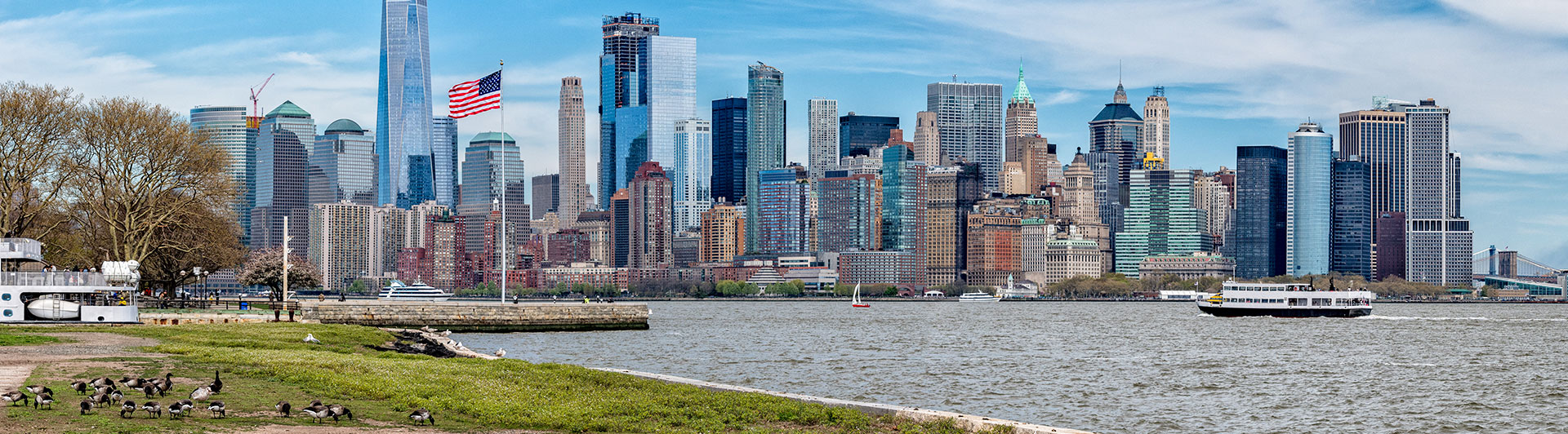
Study in USAThe United States remains a top choice for international students due to its world-class universities, research-driven programs, and diverse academic options. From STEM fields to business, arts, and humanities, students can explore various disciplines before specializing. The US education system encourages innovation, critical thinking, and interdisciplinary learning. Beyond academics, students enjoy a dynamic cultural environment, access to leading research facilities, and networking with industry professionals. Work-study programs and post-graduation visa options provide clear career pathways. With its academic flexibility, global recognition, and career-oriented environment, the USA offers an unmatched international education experience.


Top Universities
World-renowned
Access cutting-edge research and facilities at leading institutions.

Wide Program Choice
Diverse fields
Explore thousands of programs across every discipline.

Flexible Education
Customize your studies
Combine courses across fields and change majors if needed.

Cultural Diversity
Global community
Build networks in a rich, multicultural environment.

Post-Graduation Work
Optional Practical Training
Work in the US for up to 12 months after your degree
FAQs
To study in the U.S., international students need a letter of acceptance from a SEVP-approved institution, academic qualifications (such as a high school diploma or undergraduate degree), proof of English proficiency (usually IELTS or TOEFL), and sufficient financial resources.
Yes. Most international students require an F-1 student visa. Applicants must receive a Form I-20 from their U.S. institution, pay the SEVIS fee, complete a DS-160 visa form, and attend a visa interview at the U.S. Embassy or Consulate.
Yes, but with restrictions. F-1 visa holders can work up to 20 hours per week on-campus during academic sessions. Off-campus work (like CPT or OPT) is allowed only with prior approval and typically relates to your field of study.
Yes. Many U.S. universities offer merit-based scholarships, assistantships, and need-based financial aid. Additionally, external scholarships like Fulbright or those from private foundations may be available for eligible students.
Yes. International graduates on an F-1 visa may apply for Optional Practical Training (OPT), which allows up to 12 months of work after graduation (24 extra months for STEM programs). This experience can lead to longer-term work visas.

Key Facts to Study in USA
Cost of Study
USD 20,000 – USD 50,000 per year
Source of Funding
Scholarships, assistantships, and student loans
Exam Required
IELTS, TOEFL, SAT, GRE, GMAT
Degrees
None
F-1 Student Visa:
Includes Optional Practical Training (OPT) post-study
Academic Excellence:
Prestigious universities and globally respected programs